
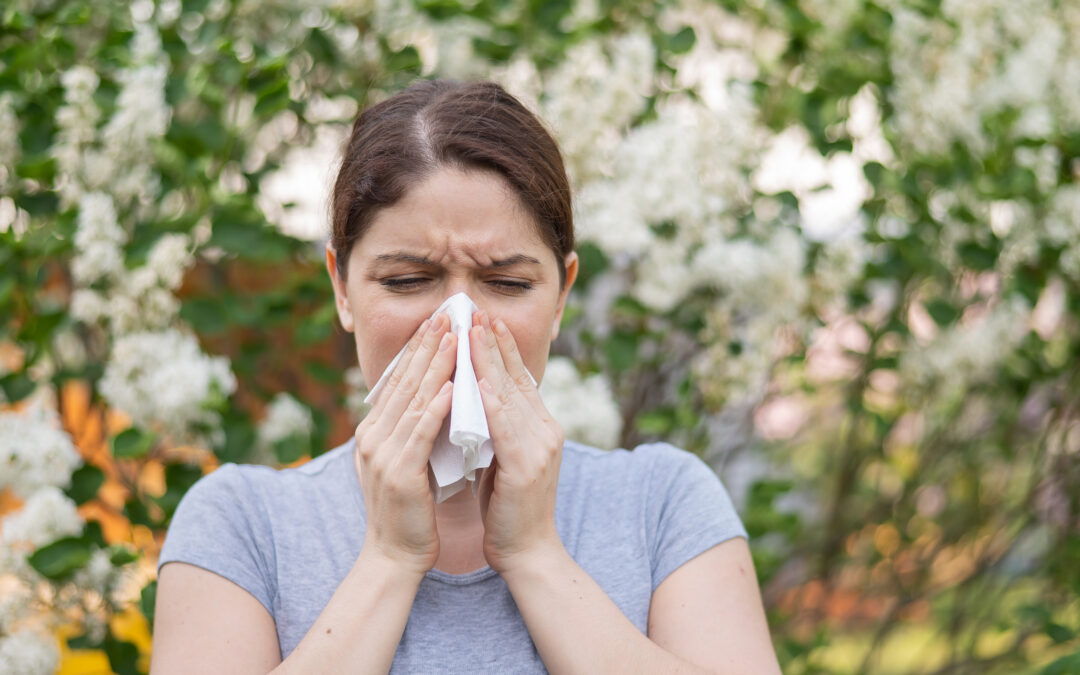
Get spring allergy relief in Farragut, TN and learn how to tell if congestion is caused by seasonal allergies or a sinus infection.
Springtime in Farragut, Tennessee brings blooming trees, warmer weather, and elevated pollen levels. Popular areas such as Concord Park and Turkey Creek Greenway attract many residents for outdoor activity, but they also expose visitors to higher pollen counts.
While seasonal allergies are common, similar symptoms may indicate a sinus infection. Understanding the differences between allergies and sinus infections can help you decide when at home care may be sufficient and when a visit to urgent care may be appropriate.
Understanding Seasonal Allergies
Seasonal allergies occur when the immune system reacts to environmental triggers such as pollen from trees, grasses, or weeds. When these allergens are inhaled, the body releases chemicals like histamine that lead to inflammation in the nasal passages.
Common symptoms of seasonal allergies include:
- Sneezing
- Runny or stuffy nose
- Itchy eyes, nose, or throat
- Watery eyes
- Postnasal drip
- Mild sinus pressure
Unlike infections, allergies are not caused by bacteria or viruses. Instead, they result from the immune system reacting to environmental allergens. For this reason, allergy symptoms often appear quickly after exposure and may continue for weeks during peak pollen seasons.
What Is a Sinus Infection?
A sinus infection, also known as sinusitis, occurs when the sinus cavities become inflamed and blocked. This blockage allows mucus to build up, which can lead to infection caused by viruses or bacteria.
Common symptoms of a sinus infection include:
- Facial pain or pressure
- Thick yellow or green nasal discharge
- Nasal congestion that does not improve
- Headaches
- Fatigue
- Fever in some cases
- Reduced sense of smell
Sinus infections often develop after a cold or severe allergies that cause prolonged inflammation in the nasal passages.
Key Differences Between Allergies and Sinus Infections
Although symptoms can overlap, several characteristics help distinguish allergies from sinus infections.
Seasonal Allergies
- Symptoms often appear suddenly after allergen exposure
- Clear, watery nasal discharge
- Itchy eyes, nose, or throat
- Sneezing is common
- Fever is not typical
Sinus Infection
- Symptoms typically last longer than 7 to 10 days
- Thick nasal discharge that may appear yellow or green
- Facial pain or pressure around the forehead, cheeks, or eyes
- Possible fever
- Headaches and fatigue are more common
When symptoms persist or worsen, a medical evaluation may be necessary to determine the underlying cause.
When Spring Congestion May Require Urgent Care
Many mild allergy symptoms can be managed with over the counter medications and avoiding known triggers. However, certain symptoms may indicate that a sinus infection or another condition requires medical evaluation.
You should consider visiting urgent care if you experience:
- Severe sinus pressure or facial pain
- Symptoms lasting longer than 10 days
- High fever
- Thick or discolored nasal discharge
- Symptoms that worsen instead of improving
- Headaches that interfere with daily activities
Prompt evaluation can help determine whether symptoms are caused by allergies, sinusitis, or another respiratory condition.
How Urgent Care Providers Diagnose the Cause
At AFC Farragut, healthcare providers will review your symptoms, medical history, and duration of illness. A physical examination typically focuses on the sinuses, nasal passages, throat, and ears.
Providers may evaluate:
- Sinus tenderness or facial swelling
- Nasal inflammation or discharge
- Signs of infection in the throat or ears
- Duration and progression of symptoms
Based on this evaluation, providers can determine whether symptoms are most consistent with allergies, viral sinusitis, or bacterial infection.
Treatment Options for Allergies and Sinus Infections
Treatment varies depending on the underlying cause of congestion.
Allergy treatments may include:
- Antihistamines
- Nasal corticosteroid sprays
- Decongestants
- Allergen avoidance strategies
Sinus infection treatment may include:
- Decongestants
- Nasal saline rinses
- Pain relievers
- Antibiotics if a bacterial infection is confirmed
Your healthcare provider will recommend the most appropriate treatment based on the severity and cause of your symptoms.
Preventing Spring Allergy and Sinus Symptoms
Although spring allergens cannot be completely avoided, several strategies may help reduce symptoms.
Helpful prevention steps include:
- Monitoring daily pollen levels
- Keeping windows closed during high pollen days
- Showering after outdoor activities
- Using air filters or air purifiers indoors
- Practicing good hand hygiene during cold and flu season
Preventive measures may reduce the risk of allergy flare ups and sinus infections during peak allergy months.
Find Relief for Spring Congestion
If spring congestion is affecting your daily life, don’t wait to get relief. Visit AFC Farragut for a thorough evaluation of your symptoms. Our medical professionals can determine whether your congestion is caused by seasonal allergies or a sinus infection and recommend the most effective treatment.
Walk in today or book an appointment online to start feeling better and get back to enjoying the season.